Kindora is building the trust layer for social sector capital.
Every organization legible to every funder, every introduction vouched, so money moves to the people closest to the problem.
Today that starts with fundraising software that nonprofits and social enterprises use, and that foundations buy for the organizations they back.
Where this goes
Here is the sector we are building toward. Every organization doing real work is legible: what it does, who it serves and what it has achieved, readable by any funder in minutes instead of found by accident over years. And trust can travel. Today much of it runs through existing relationships: 71% of US private foundations take no unsolicited requests, and at the largest donor-advised fund sponsor, 77% of grants went to charities the donor already supported. Organizations outside those circles are hard to see and harder to vouch for.
Picture every grantee cohort, association, fellowship and conference as a room where the right people meet. Picture a funder who closed its open call because AI buried it in applications, able to see again who is doing the work. If one dollar in twenty of the $617 billion Americans give each year reached strong organizations funders could not see before, that is about $30 billion a year moving to the people closest to the problem. That figure is an illustration, not a forecast.
Sources: Candid; Fidelity Charitable; Giving USA. $30B = 5% of $617B, an illustration.
Legibility first, then trust
Each layer depends on the one before it, so we are building them in sequence and saying plainly where each one stands.
- Live
Funders legible to nonprofits
Kindora finds, researches and matches funders for each organization, drafts the ask and maps the warm path in. Foundations buy it for their grantees.
- Beta, October 2026
Nonprofits legible to funders
A workspace where a grantmaking team writes a thesis and gets an evidence-backed shortlist and an Organization Brief for each organization on it. It is in beta, and there are no funders in it yet.
- Being built
Introductions
Two-yes introductions inside networks a funder or association already runs: both people agree before anyone is connected. The first networks are planned for November 2026.
Trust has always traveled through people: at Google.org, we found grantees through people we trusted. Kindora makes that path findable for everyone else, with two yeses, a named vouch and consent at every step.
Leadership
Kindora is run day to day by its CEO, alongside a small team and an advisory council of people who have spent their careers on both sides of the funding table.

Justin Steele
Co-Founder & Chief Executive Officer
The Funder's Perspective: Led Google.org's philanthropy across the Americas, directing about $700 million in strategic investments including a $100M outcomes-based loan fund and $75M AI Opportunity Fund for workforce development.
Social Impact Operations: Deputy Director at Year Up (workforce development), consultant at Bain & Company and The Bridgespan Group (social impact strategy consultancy founded by former Bain leaders).
Built and runs Kindora's production platform himself, using his engineering background and new AI capabilities, understanding both what funders need to see and what organizations need to succeed.
Justin worked inside their organizations before they backed his
Our Strategic Advisory Council is small on purpose. Two of its members ran organizations Justin worked in years before either of them put anything into this one.
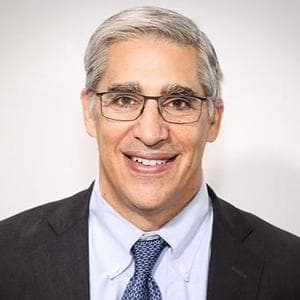
Gerald Chertavian
Chair, Strategic Advisory Council
Founder of Year Up United and its CEO for 24 years; Senior Lecturer, Harvard Business School
Founded Year Up United in 2000 and grew it to 30 cities serving more than 45,000 young adults. Justin interned at Year Up's national headquarters during graduate school and joined full time afterward, eventually serving as a Deputy Director. Gerald now chairs our advisory council and works with us on what it costs to serve small organizations well.
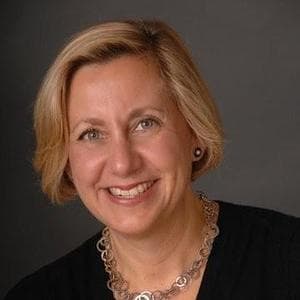
Susan Colby
Founding Member, Strategic Advisory Council
Partner on the founding team of The Bridgespan Group; former Partner at McKinsey & Company
Was a partner on the founding team of The Bridgespan Group and led its San Francisco office, which offered Justin a transfer out of Bain & Company's Atlanta office. That move showed him he could keep the rigor of management consulting and spend it on the social sector. She later ran the Stupski Foundation and co-founded Imagine Worldwide, and advises us on growth strategy and funder relationships.

Karibu Nyaggah
Co-Founder & Strategic Advisor
Co-founder of Sinapis; previously Meta, Alphabet and the World Bank
Co-founded Kindora and set its early product strategy and front-end design. He advises on product and impact.
Advisory council members hold advisor equity in Kindora.
Where it started
Justin and Karibu met in 2003 at Harvard Business School's Summer Ventures program, a week-long immersion designed to increase diversity in business leadership. Years later, in the same section at Harvard Business School, they volunteered together at Citizen Schools, teaching kids in Boston's Roxbury neighborhood about personal branding and leadership.
Two decades on, after working on opposite sides of philanthropy, Justin directing about $700 million at Google.org and Karibu scaling impact programs across six countries, they kept seeing strong organizations and willing funders miss each other. Karibu set the company's early direction and advises it today. Justin runs it from the Bay Area, where both are raising their families.


Recognized and Supported By
Selected by leading accelerator programs for our mission-driven approach to democratizing grant funding.

Camelback Ventures
A fellowship investing in entrepreneurs of color building ventures that create a more just and equitable society.

AWS Social Entrepreneur Accelerator
Amazon Web Services program supporting social entrepreneurs using technology to drive positive social impact.

Blackbaud Social Good Startup Program
Blackbaud's program empowering early-stage companies building technology for the social good ecosystem.
Kindora in the Media
Coverage, case studies, and conversations about the work.
Case Study
Anthropic Customer Story

How Kindora built a production platform with AI, documented by Anthropic in a published customer case study.
Case Study
AWS Social Impact
AWS on how Kindora went from a beta tool to a scaling platform through its Social Entrepreneur Accelerator, with Deloitte providing strategic and operational support.
Press
Forbes

Grants fund programs. Ownership funds the future. Forbes on why Kindora is raising from the community it serves.
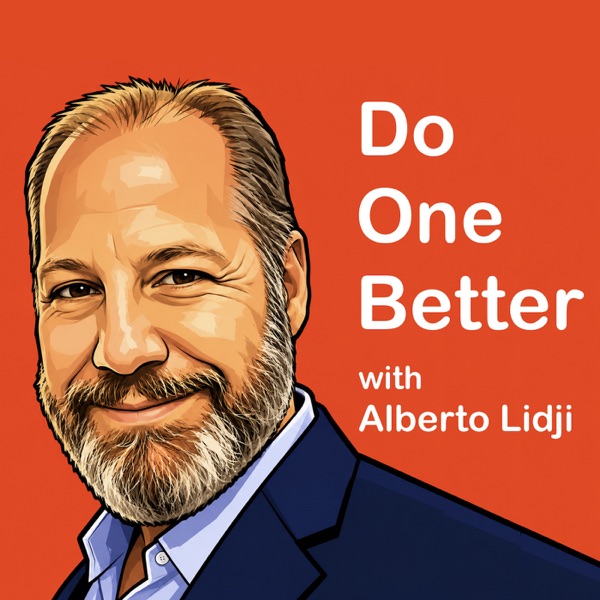
Podcast
The Do One Better Podcast
Justin Steele joins Alberto Lidji to discuss how AI is closing the information gap in grantmaking.
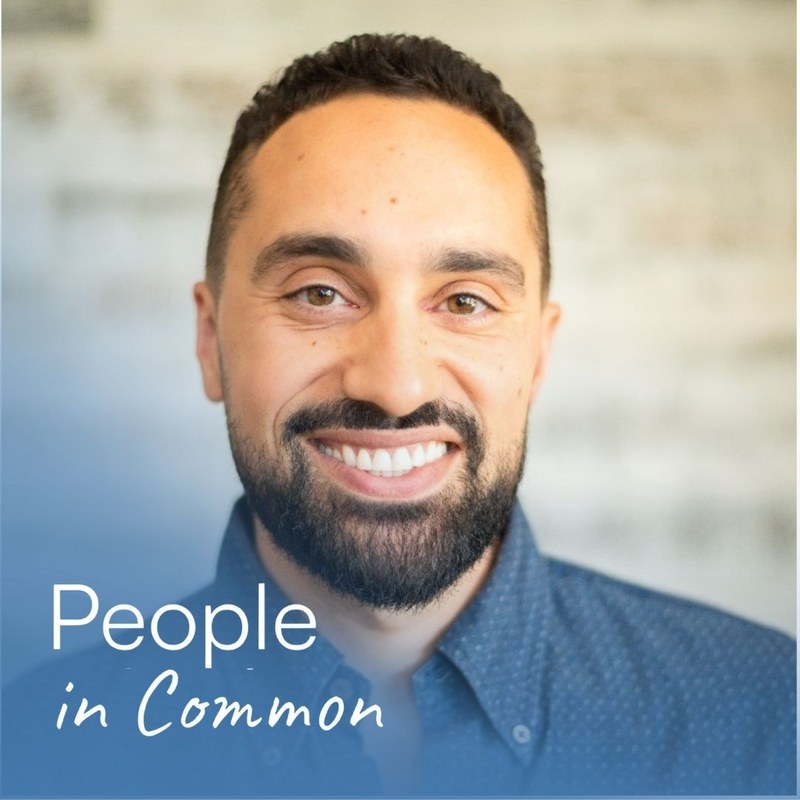
Podcast
People in Common
Justin Steele joins Jama Adams to talk about conviction, belonging, and the night an AI program officer rejected his nonprofit 12,000 times.
Podcast
Wantrepreneur to Entrepreneur
CEO Justin Steele shares the founding story of Kindora — from directing about $700 million at Google.org to building the platform that democratizes grant funding for every mission-driven organization.
What we hold ourselves to
As a Public Benefit Corporation, we're legally required to balance profit with purpose. In practice, that comes down to three commitments.
Transparency
You always see why a match was made and the sources behind it.
Access
The tools work for organizations without a big network or budget.
Measurement
We track time saved, funding secured and communities served.
Start where you are.
Set up your organization's profile and Kindora shows you the funders that fit your work, with the reasons and sources behind each match.
We're raising from the people Kindora serves: an invitation to invest alongside the founders, not a transfer of control.
See the community roundQuestions? Email us at hello@kindora.co